
 Dispute Resolution


Resolution No. PP-379: teachers and students to undergo psychological screening at least once per school year, with a new psychology institute created
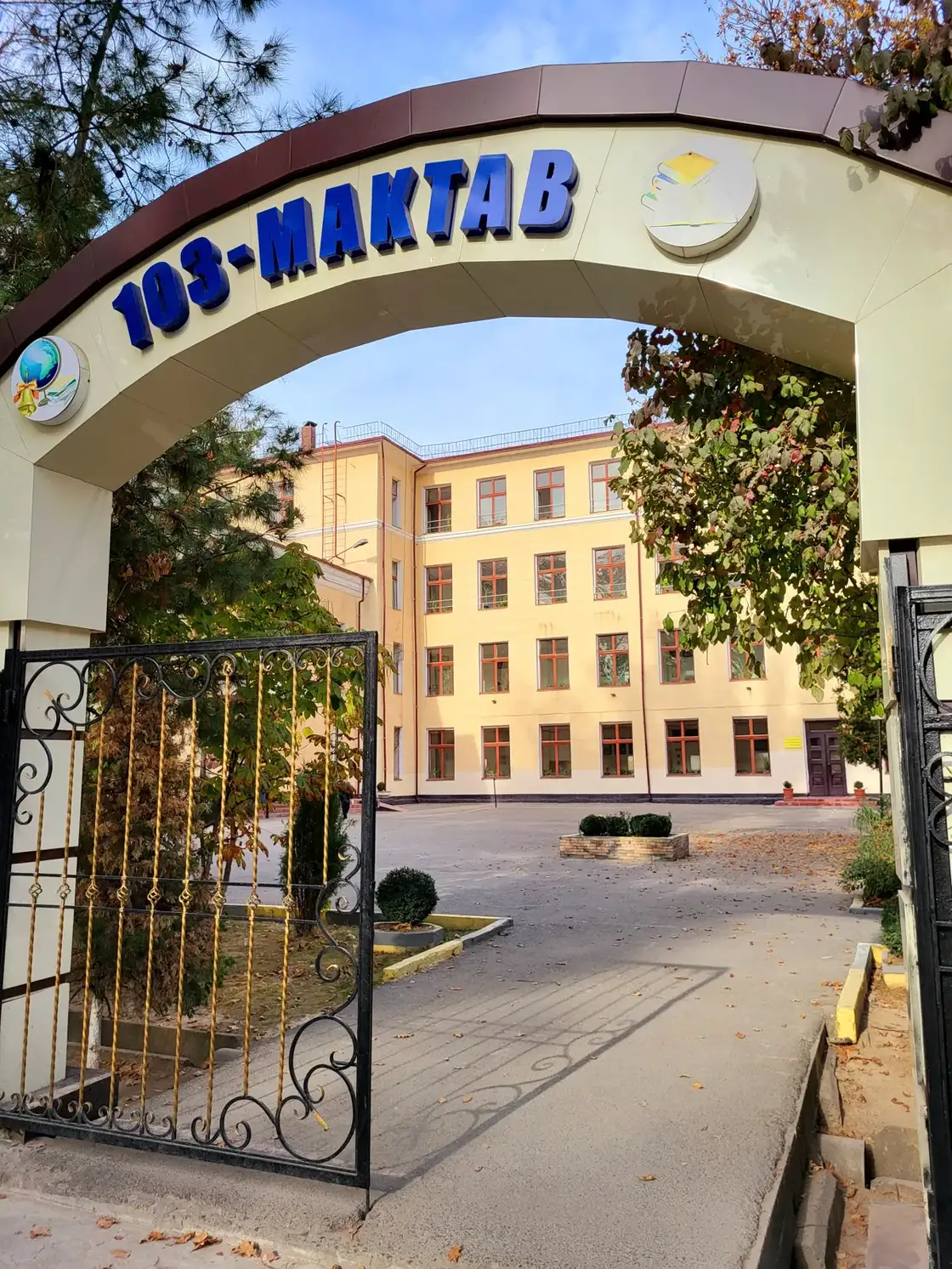
The President has approved a system of regular psychological screening in education. Teachers and students will take it at least once per academic year, and a Scientific Research Institute of Psychology is being created to run it.
Presidential Resolution No. PP-379 was signed on 19 October 2026. Screening will be introduced in two stages.
When and where it starts
- from the 2026/2027 academic year — in preschool and general secondary education organisations;
- from the 2027/2028 academic year — in secondary specialised, vocational and higher education institutions.
How screening will work
- The Institute will develop unified standardised methods and tests.
- Testing will take place on a dedicated electronic platform, and personal data must remain confidential.
- Artificial intelligence will analyse the results and sort participants into three groups: psychologically stable, needing psychological support, and needing active psychological support.
- Those needing support will be helped by the institution's psychologists; those needing active support will get a mentor-psychologist in their area.
Psychologists and research
- 150 mentor-psychologists are to receive a one-time payment of 20 times the minimum wage (MROT).
- Psychologists in educational institutions must upgrade their qualifications at least once every five years.
- From 1 January 2027, laboratories will open for digital psychology and artificial intelligence; learning psychology and the psychological service; and psychological health and prevention.
What this means in practice. Parents and staff at kindergartens and schools should expect screening to be organised during this academic year. Educational organisations need to prepare their psychologists and ways to communicate with parents. College and university students will face screening from the 2027/2028 academic year. Published reports do not give specific dates within the year, so watch for announcements from your institution.
Photo: Bettyrose.pl, Wikimedia Commons (CC BY-SA 4.0)