
 Dispute Resolution


How to claim an inheritance in Uzbekistan: deadlines, documents, notary
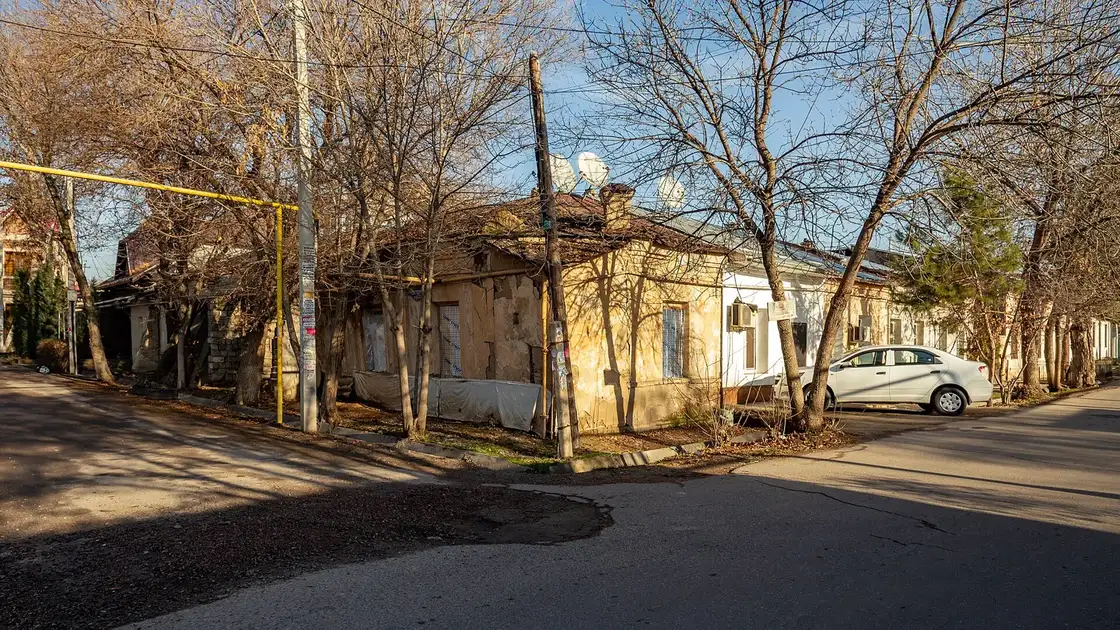
In Uzbekistan an heir acquires the right to an inheritance from the day the deceased died — there is no need to separately "accept" it within six months, as in Russia. Six months is the period after which the notary issues a certificate of inheritance. Below: which notary to go to, who inherits, what documents to collect, how much it costs and what an heir living abroad — including a Russian citizen — should do.
When does the inheritance open and which notary should you go to
The inheritance opens on the day of death, or on the day a court decision declaring the person dead takes effect (Article 1116 of the Civil Code). The place where it opens is the deceased's last permanent residence. If that is unknown, it is where their real estate, or most of it, is located (Article 1117).
The application for a certificate of inheritance is filed with the notary at the place where the inheritance opened (Article 1146 of the Civil Code). If there are several heirs, they go to one notary, who keeps a single inheritance file.
Is there a deadline to claim an inheritance
This is the main difference from Russian rules. Under Article 1145 of the Civil Code, an heir acquires the right to their share from the moment the inheritance opens, unless they later renounce it, are disqualified from inheriting, or the will in their favour is declared invalid. The law does not require you to file an acceptance within a set period.
What is genuinely tied to deadlines:
- Six months — once they have passed, the notary issues the certificate of inheritance. Earlier only if the notary has information that there are no other heirs (Article 1146).
- Renunciation can be filed with the notary at any time after the inheritance opens, but it cannot be withdrawn (Article 1147). You may renounce in favour of a specific heir.
- Division with an absent heir. If an absent heir is located, the others must notify them of the division; if they do not respond within three months, the others may divide the estate, setting aside that heir's share. If the heir is not found within a year, division is also possible with their share set aside (Article 1151).
If you learn about the inheritance late and the other heirs have already received certificates without your share, you do not lose your right, but you will need to reach agreement with them or go to court. Court claims are subject to a limitation period — generally three years from the day you learned or should have learned that your right was violated (Articles 150 and 154 of the Civil Code). So it is best not to wait.
Who inherits if there is no will
Heirs by law are called in order of priority: the next group inherits only if there are no heirs in the previous one or they have renounced (Articles 1134–1141 of the Civil Code).
- First group: children (including adopted children and those born after the death), the spouse and parents — in equal shares. If a child died before the deceased, that child's share goes to their own children, i.e. the grandchildren.
- Second: brothers and sisters, and grandparents on both sides.
- Third: uncles and aunts.
- Fourth: other relatives up to the sixth degree of kinship.
- Fifth: dependants unable to work.
A spouse not only inherits but also keeps their own share of property acquired during the marriage (Article 1143). The surviving spouse's half is first separated from the joint property, and only the deceased's share goes into the estate.
Example. Say a man dies leaving a wife, two children and his mother, and the apartment was bought during the marriage. Half the apartment belongs to the wife. The other half is split equally among the four first-group heirs: 1/8 of the apartment each. In the end the wife holds 5/8, and each child and the mother hold 1/8.
Inheritance by will and the compulsory share
A will is certified by a notary or treated as notarised in the cases set out in law (Articles 1124–1126). A person may leave property to anyone, but some heirs are protected. Minor or incapacitated children, and an incapacitated spouse and parents, receive — regardless of the will — at least half of what they would have received by law (Article 1142 of the Civil Code).
If the will covers only part of the property, the rest is inherited by law. If you believe a will was made under pressure or without the required form, it is challenged in court.
What documents does the notary need
- the heir's passport or ID card;
- the death certificate;
- documents proving kinship: birth, marriage and name-change certificates;
- the will, if there is one;
- property documents: for the apartment or house, the vehicle registration certificate, details of bank deposits and shares in companies;
- a document on the deceased's last place of residence, if the notary cannot obtain this information directly.
The steps:
- Establish where the inheritance opened and choose a notary in that district.
- File the application for a certificate of inheritance with your documents.
- If the property is at risk, ask the notary to take measures to protect the estate.
- Six months after the death (or earlier if there are definitely no other heirs), receive the certificate.
- Register ownership of real estate and re-register the vehicle on the basis of the certificate.
How much does it cost to formalise an inheritance
State fees are set by the Law on State Duty; since 1 September 2026, 1 BRV = 440,000 soums:
- certificate for real estate or a motor vehicle — 50% of BRV, i.e. 220,000 soums per item;
- certificate for other property — 30% of BRV, 132,000 soums;
- measures to protect the estate — 30% of BRV, 132,000 soums.
If there are several heirs, the fee is calculated on each heir's share, and minors pay nothing (Article 20 of the Law). No fee is charged for a certificate to a house or apartment for heirs who lived with the deceased, were registered there on the day of death and continue to live there, nor for certificates to bank deposits, wages, insurance sums and funds in an individual pension savings account (Article 11). If the notary comes to your home, the fee is doubled.
If the heir lives abroad, including in Russia
Foreign citizenship does not prevent you from inheriting. Inheritance as a whole is governed by the law of the country of the deceased's last permanent residence, while real estate in Uzbekistan is always governed by Uzbek law (Articles 1197 and 1199 of the Civil Code). So a Russian citizen inheriting an apartment in Tashkent formalises it with an Uzbek notary under the rules above, not under the Russian six-month deadline.
- You do not have to come in person: you can issue a power of attorney to a relative or lawyer at a notary or an Uzbek consulate.
- Uzbekistan and Russia are both parties to the 1993 Minsk Convention on Legal Assistance: official documents issued in one country are, as a rule, accepted in the other without legalisation. Check with the notary in advance whether a translation is needed.
- If you wish to renounce the inheritance, you can also do so through a representative, but the power of attorney must expressly include that authority (Article 1147).
- Special rules apply to land plots and some types of property; a foreign heir should check this before the estate is divided.
When should you call a lawyer
If the heirs agree with each other and the documents are in order, the notary will handle everything. A lawyer is needed when:
- the will is disputed or someone claims a compulsory share;
- other heirs have already received certificates and do not recognise your share;
- part of the property is held in third parties' names, is unregistered or is co-owned with a business;
- you live abroad and cannot oversee the process yourself.
In such cases it is important to gather evidence in time and not miss the limitation period. More on our family and inheritance law page.
In brief
- The right to inherit arises on the day of death; there is no separate acceptance deadline as in Russia.
- The notary issues the certificate after six months (earlier if there are no other heirs).
- First in line are children, the spouse and parents in equal shares; the spouse keeps their half of the joint property.
- The compulsory share is at least half of the statutory share for minor and incapacitated close relatives.
- Fees: 220,000 soums per property or vehicle, 132,000 soums for other assets.
Photo: Nikolai Bulykin, Wikimedia Commons (CC BY-SA 4.0)
Recognised your situation?
Every case has its own details. An advocate will review your documents, assess the risks and tell you what to do next.