
 Dispute Resolution


Botched plastic surgery or medical error in Uzbekistan: how to get compensation
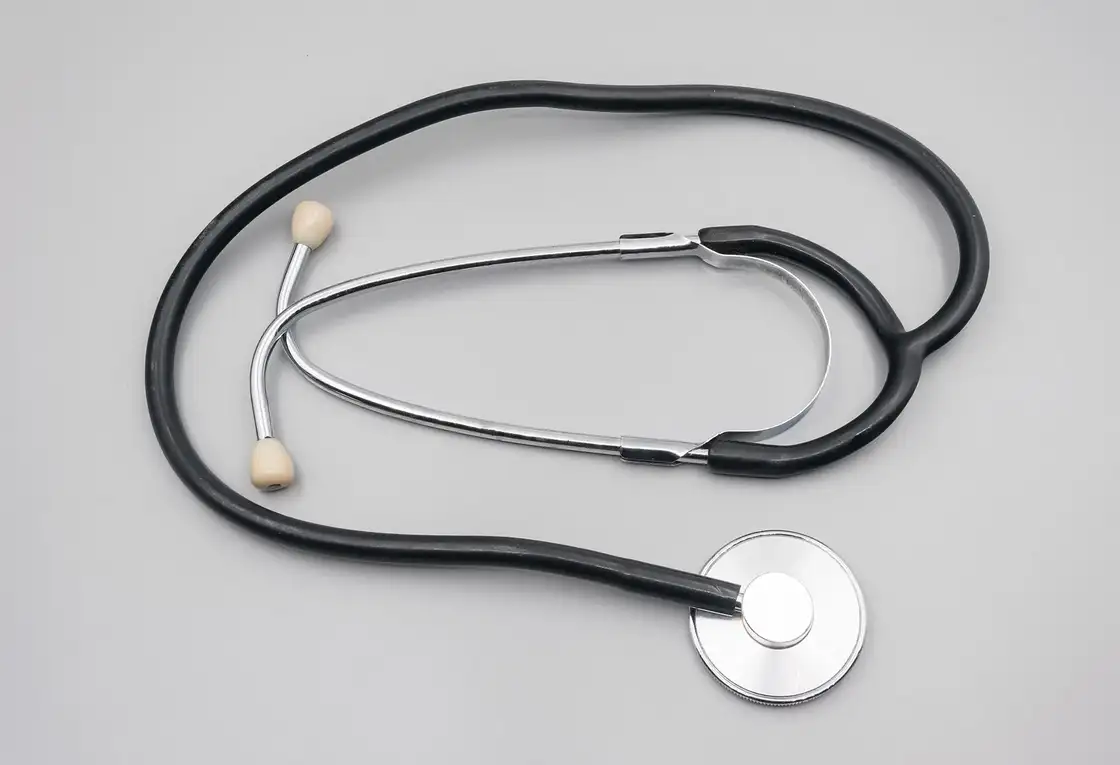
If plastic surgery or medical treatment has harmed your health, the clinic must cover your treatment costs, lost earnings and moral damage, and for a paid service with defects you can get your money back. It is the clinic that must prove the harm was not its fault. Below: what to do in the first days, how to check a clinic and a doctor, what you can recover, how to file a claim letter and a lawsuit, and when the case becomes criminal.
When you can claim compensation
Not every result you dislike is a medical error. It is important to tell two situations apart:
- The result did not meet your expectations, but the operation was performed correctly and you were warned about the risks. The dispute is then usually about what exactly the contract promised.
- Your health was harmed: complications caused by a breach of technique, infection, tissue damage, the need for a repeat operation, surgery without your informed consent or by an unqualified person. This is a ground for compensation.
Under Article 985 of the Civil Code, harm is compensated in full, and the person who caused it is released from liability only if they prove it was not their fault. Plastic surgery is a paid service, so the Law "On Protection of Consumer Rights" also applies: harm to health caused by defects in a service is compensated by the provider, who is released only by proving force majeure or that the consumer broke the established rules (Article 20). In addition, a patient has the right to compensation for harm caused to their health in the course of medical care (Article 24 of the Law "On Protecting the Health of Citizens").
What to do in the first days
- Look after your health. If there are complications, seek help immediately, at another clinic if necessary. Keep every medical report and receipt.
- Request your medical records. By law you are entitled to extracts from the medical documents on your health (Article 25 of the health protection law). Ask in writing for copies of your case history, the operation report, test results and the informed consent form.
- Collect evidence. The contract, receipts, messages with the clinic and the doctor, advertising and promises of results, dated before-and-after photos.
- Do not sign anything in a hurry. The clinic may offer a "free correction" in exchange for a statement that you have no claims. Assess the consequences first.
- Get an independent opinion from another specialist on the causes of the complications and the treatment you need.
How to check a clinic and a doctor
Only licensed legal entities may provide medical services (Article 11 of the health protection law). So an operation "at home" or in a beauty salon by someone without a clinic and a licence is unlawful from the start.
- The clinic's licence. Ask for the licence number and check it. Licence registers are kept electronically and the information in them is open (Article 11 of the Law "On Licensing, Permit and Notification Procedures"). Licences are issued through the Litsenziya system (license.gov.uz).
- The doctor's qualifications. The right to practise medicine belongs to people with a diploma from a higher or secondary specialised medical school in Uzbekistan; foreign diplomas are recognised under a procedure set by the Cabinet of Ministers (Article 41 of the same law). Ask what speciality the surgeon has and whether they are officially employed by the clinic.
- Warning signs. A price far below the market, surgery outside a clinic, no contract and no receipt, a verbal arrangement instead of informed consent, a doctor who will not give their surname.
What you can recover
- Costs caused by the damage to your health: treatment, medicines, a repeat operation, nursing care, rehabilitation (Article 1006 of the Civil Code).
- Lost earnings for the time you could not work (Articles 1006–1007 of the Civil Code).
- The price of the defective service: if the defects are serious, the consumer may terminate the contract and claim full compensation for losses (Article 19 of the consumer protection law).
- Moral damage, paid in money; the court sets the amount based on the nature of the suffering and the degree of fault (Articles 1021–1022 of the Civil Code, Article 22 of the consumer protection law).
The clinic is liable as the employer: a legal entity compensates harm caused by its employee in the course of their duties (Article 989 of the Civil Code). Claims for harm to life and health are not subject to a limitation period, but for past periods you can recover no more than three years before filing the claim (Article 163 of the Civil Code). Still, do not delay: evidence fades over time.
Example. Suppose you paid a clinic 30 million soums for an operation, a complication followed, treatment and a repeat operation at another clinic cost 25 million soums, and you could not work for two months. In your claim letter you can demand a refund of 30 million soums, reimbursement of the 25 million soums in costs and two months of lost earnings, plus compensation for moral damage, the amount of which the court will ultimately decide.
How to file a claim letter and a lawsuit
- Claim letter. Send the clinic a written claim: what happened, the consequences, your demands and amounts, and a deadline for a reply. Send it by registered mail with acknowledgment of receipt or hand it in and have your copy stamped.
- Lawsuit. If the clinic refuses or stays silent, file a claim with the inter-district civil court. A consumer may sue where the clinic is located, where the consumer lives or where the harm was caused, and individuals are exempt from state duty in consumer rights cases (Article 29 of the consumer protection law). You can file online at my.sud.uz.
- Expert examination. The key evidence in such cases is a forensic medical examination, which answers whether there were defects in the medical care and whether the consequences are linked to them. Ask the court to order one and prepare your questions for the experts in advance.
Where to complain
If patient rights are violated, you can complain to the head of the clinic, a higher management body or the court (Article 24 of the health protection law). The supervisory body for private clinics is the Ministry of Health; since 1 July 2026, licensing of medical organisations has been handled by the Licensing and Accreditation Center under the Ministry of Health. A complaint may lead to an inspection and action against the clinic's licence, but only a court can award you money if the clinic does not pay voluntarily.
When it becomes a criminal case
- Improper performance of professional duties through negligence or a careless attitude, causing moderate or serious bodily harm, falls under Article 116 of the Criminal Code: a ban on practising for up to three years, up to 300 hours of community service or up to two years of corrective labour. If death was caused by negligence: two to five years of restricted liberty or up to five years in prison.
- Negligent harm to health by a person who is not a medical worker may be classified under Article 111 of the Criminal Code (negligent infliction of moderate or serious bodily harm).
- "Fake surgeons" without a licence are liable for unlicensed activity (Article 165 of the Code of Administrative Liability, or Article 190 of the Criminal Code if the income is especially large). If someone posed as a doctor to obtain money, the case may also be classified as fraud (Article 168 of the Criminal Code).
A crime report is filed with the police (internal affairs bodies) or the prosecutor's office. In a criminal case you can bring a civil claim for damages, and claims for damage caused by a crime are not subject to a limitation period (Article 163 of the Civil Code).
When to call a lawyer
You can write a claim letter yourself, but medical disputes are among the hardest to prove. A lawyer is especially needed if:
- the clinic denies fault, citing "an individual reaction of the body" or the consent form you signed;
- the questions for the forensic medical examination must be framed correctly, since the outcome often depends on them;
- the harm is serious: repeat operations, disability, long-term inability to work;
- the operation was performed by an unlicensed person, the clinic has "disappeared" and a criminal case needs to be pursued;
- the clinic is offering a settlement and you need to judge whether the amount is fair.
A lawyer handling court disputes can help gather evidence, calculate your claims and represent you in court and during the expert examination.
In short
- The clinic is liable for harm to your health and must itself prove it was not at fault.
- Request extracts from your medical records straight away and keep the contract, receipts, messages and photos.
- Only licensed legal entities may provide medical services; the licence register is open.
- You can recover treatment costs, lost earnings, the price of the service and moral damage.
- Consumers pay no state duty in such cases; the key evidence is a forensic medical examination.
- Serious or moderate harm caused by a doctor's negligence is a ground for a criminal case under Article 116 of the Criminal Code.
Photo: Jacek Halicki, Wikimedia Commons (CC BY-SA 4.0)
Recognised your situation?
Every case has its own details. An advocate will review your documents, assess the risks and tell you what to do next.