
 Dispute Resolution


New Article 223-1 of the Criminal Code: separate criminal liability for building, using and financing tunnels across the state border
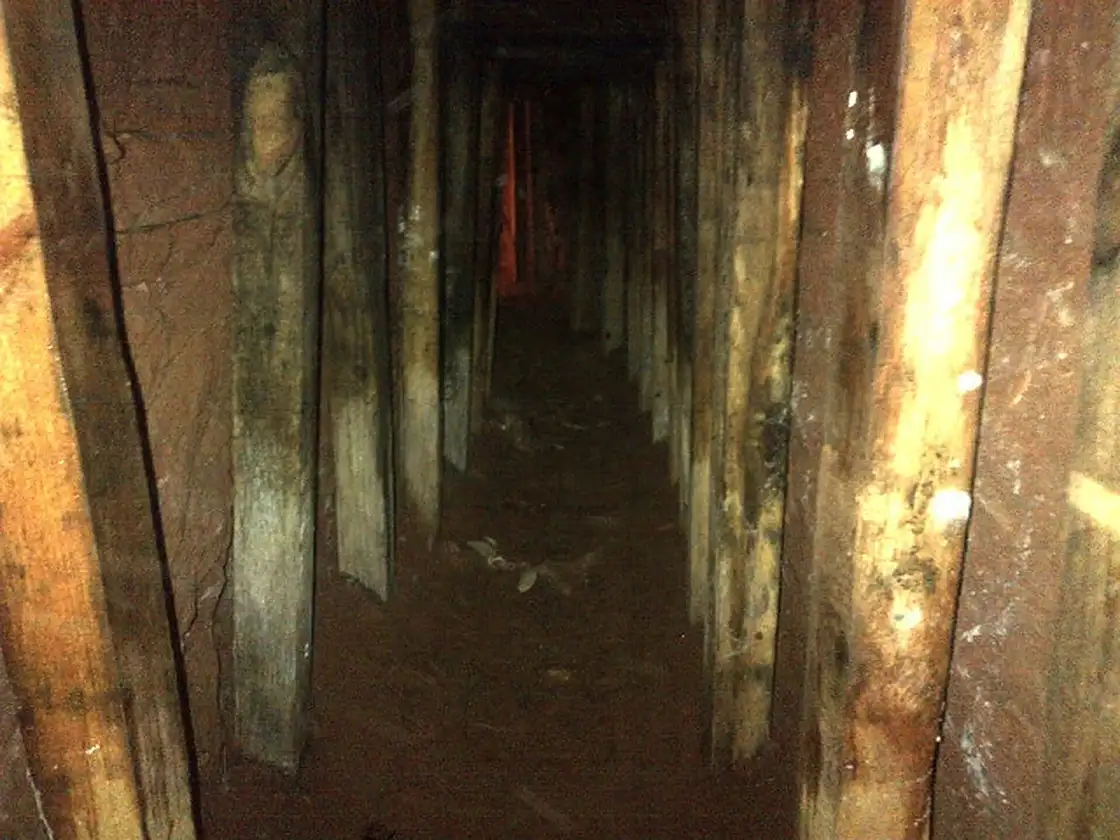
The Senate has approved a law adding Article 223-1 to the Criminal Code, on liability for building, using and financing tunnels across the state border. The law is not yet in force: it must be signed by the President.
The law amending the Criminal Code and the Code of Criminal Procedure was approved on 10 September 2026 at the Senate's 19th plenary session. It aims to strengthen the protection of the State Border. The bill was drafted by the Prosecutor General's Office and previously passed by the Legislative Chamber.
New Article 223-1
The article establishes liability for:
- Deliberately creating conditions for the construction of illegal underground structures or tunnels across the state border
- Building and using such structures
- Organising and financing such activity
Penalties under Article 182 (violation of customs legislation) and Article 223 (illegal exit from or entry into Uzbekistan) are also toughened. This applies where the offence is committed using an illegal tunnel, structure or other infrastructure facility on the border.
Release from liability
A person committing such an act for the first time may be released from liability if:
- They voluntarily reported the tunnel to the authorities or actively helped to solve the crime
- Their actions do not constitute another offence
Preliminary investigations in such cases will be conducted by investigators of the State Security Service.
Scale of the problem
According to the Senate, 12 illegal underground structures were found on the border in 2016–2025. A tunnel discovered in Andijan region in 2023 was about 400 metres long and had lighting and ventilation.
What this means in practice. Liability will extend not only to those who use a tunnel but also to those who build, finance or create conditions for it. Owners of land and premises in border areas should monitor how tenants and third parties use their property.
Photo: U.S. Customs and Border Protection, Wikimedia Commons (Public domain)