
 Dispute Resolution


From 1 January 2027, people in debt for water and sewerage will be restricted from paying for electricity
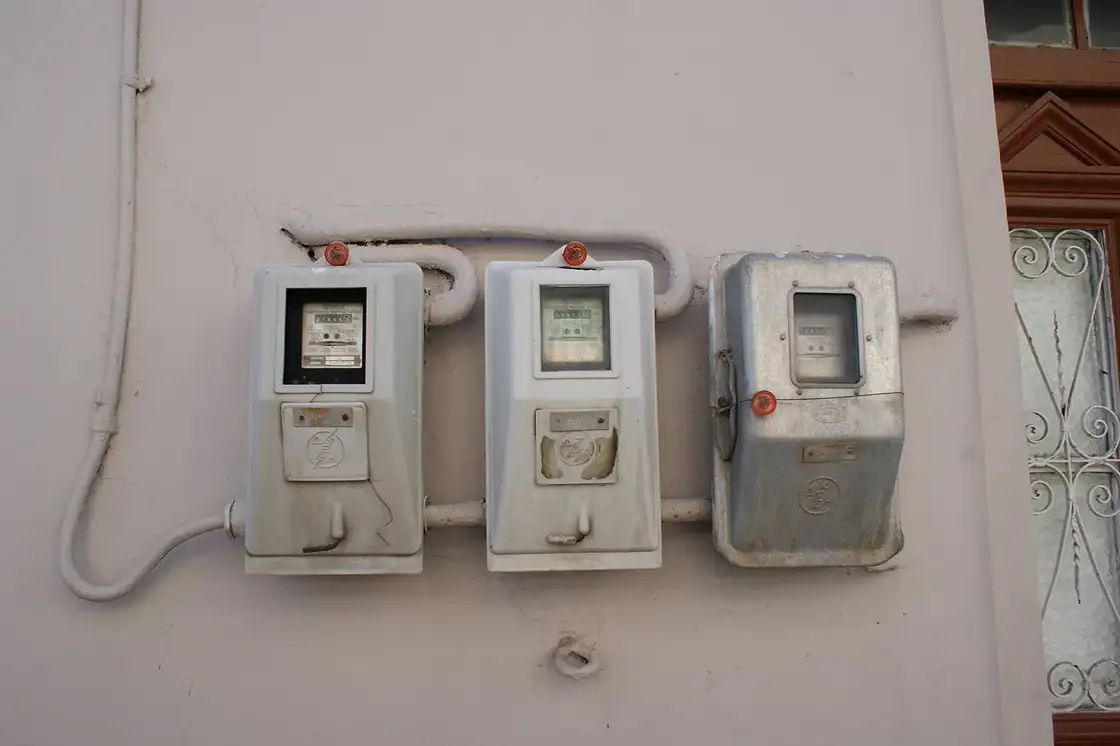
From 1 January 2027, unpaid bills for drinking water and sewerage may lead to a restriction on paying for electricity. Power will not be cut off over a water debt, but the electricity account cannot be topped up until the debt is cleared. Before the restriction, the debtor receives a warning and the debt is collected through a notary or a court.
The new procedure was announced by JSC Uzsuvtaminot at a press conference on 30 October 2026. According to Gazeta.uz, it is based on Presidential Decree No. UP-140 of 24 July 2026 on developing drinking water supply and sewerage systems.
How collection will work
- First, the consumer receives a written warning and five days to pay off the debt.
- If the debt is not paid, collection begins. Debts of up to 1,000 BCA (about 440 million soums) are collected through a notary's writ of execution; larger debts go through the courts.
- The enforcement document is sent to the Compulsory Enforcement Bureau.
- If the debtor still does not pay within the period for voluntary payment, electricity payments are restricted automatically.
Who is exempt and what debtors risk
The restriction does not apply to families included in the Social Register. To pay for electricity again, the water and sewerage debt must be paid. Owners of prepaid meters risk being left without power once the money already paid in runs out.
A similar mechanism already applies to debts for waste collection (since 1 August 2025) and, in Tashkent, to debts for contributions to the upkeep of common property in apartment buildings (since 1 July 2026).
What this means in practice. Check whether you owe anything for water and sewerage and pay it off before 1 January 2027. If you receive a warning, you have five days to pay: after that, collection begins with notary or court costs, followed by the restriction on electricity payments. If you disagree with the amount, challenge it immediately after the warning rather than waiting for an enforcement document.
Photo: Asurnipal, Wikimedia Commons (CC BY-SA 4.0)