
 Dispute Resolution


Senate approves a new 28-letter Uzbek alphabet: Ö, Ğ, Ş and Ç to replace Oʻ, Gʻ, Sh and Ch
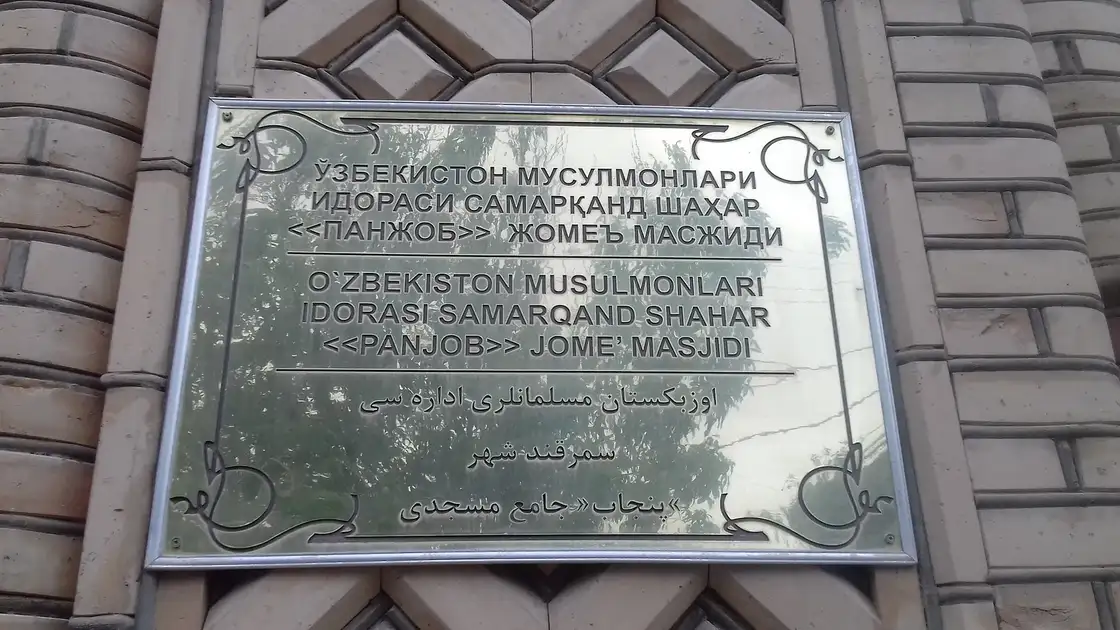
On 10 September 2026, the Senate of the Oliy Majlis approved, at its 19th plenary session, the law amending the Latin-based Uzbek alphabet. The alphabet will consist of 28 letters and one apostrophe. The law has been sent to the President for signature and will take effect only once signed.
Which letters change
The current alphabet has 26 letters and three digraphs. The changes:
- Ş replaces Sh
- Ç replaces Ch
- Ö replaces Oʻ
- Ğ replaces Gʻ
- The digraph Ng is removed from the alphabet as a separate unit but remains in writing
The use of Ng will be set out in the spelling rules.
Why the change
According to the rapporteur, Senator Odiljon Mamatkarimov, typing Oʻ and Gʻ on a computer can take up to six actions. More than ten spellings of them are used in practice. As a result, search engines and software treat identical words as different ones.
Transition period
The law provides for a transition period.
- Until the new rules take effect, documents, national currency and securities issued in the current alphabet may remain in circulation
- Signs, road signs and building design elements may be used until they physically wear out or until deadlines set by the law's implementation programme
- The authorities plan to move official paperwork, the media and information systems to the updated alphabet
- School textbooks are to be renewed in 2027–2031
What this means in practice. There is no need to urgently reissue documents, seals or signs. Companies should:
- Assess in advance which document templates, IT systems and databases will need to be adapted
- Follow the deadlines of the implementation programme once the law is signed
Photo: Akhemen, Wikimedia Commons (CC BY-SA 4.0)