
 Dispute Resolution


Ministry of Energy: cutting off gas for refusing private maintenance companies' services is unlawful
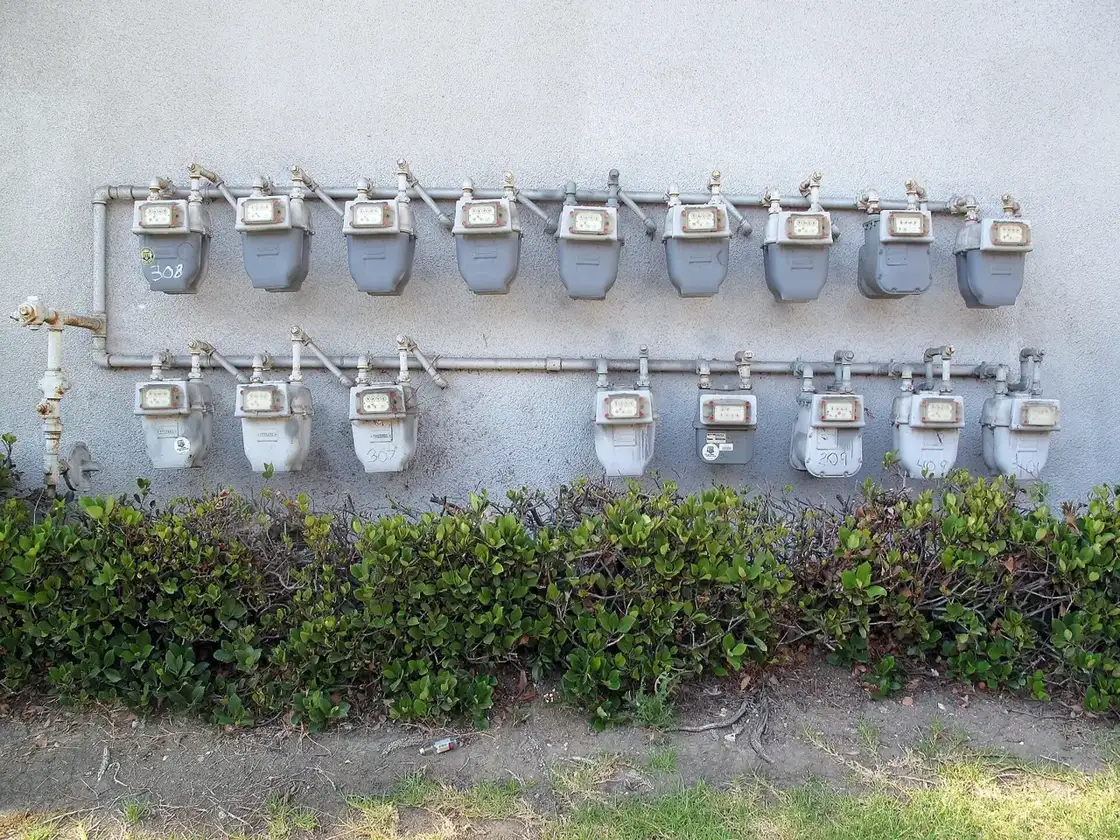
Private companies have no right to cut off gas to residents who refuse their maintenance services for gas cookers and boilers, the Ministry of Energy has said. This is a clarification by the ministry rather than a new legal act, and it is based on the existing rules.
The statement was published on 2 October 2026. It followed cases in which representatives of private firms threatened to disconnect the gas of those who declined their services. The ministry called such coercion unlawful.
Who can cut off gas
- Only the gas supply organisation
- Only where the customer is in arrears
- Private maintenance companies have no such power
How maintenance must be provided
- Only legal entities holding the required permits may service gas equipment
- The service is provided on the basis of a written, oral or electronic order from the consumer
- Payment is made at the established rates and on the established terms
Consumers who want their equipment checked may contact their regional gas supply organisation.
Where to complain
- Ministry of Energy: hotline 71-231-10-64 and the ministry's Telegram bot
- Hududgaztaminot: 71-202-11-04 and 1104, as well as the company's Telegram bot
What this means in practice. If you did not order maintenance, a private firm cannot force it on you by threatening to cut off your gas. It has no right to do so.
If you are pressured, ask for the company's name and its permits. Make a record of the conversation and report it to the Ministry of Energy or the gas supply organisation. If your gas has been cut off although you have no arrears, you have grounds to demand that supply be restored.
Photo: Downtowngal, Wikimedia Commons (CC BY-SA 4.0)