
 Dispute Resolution

Decree No. UP-209: the state will reimburse businesses for 50% of dual-education students’ wages
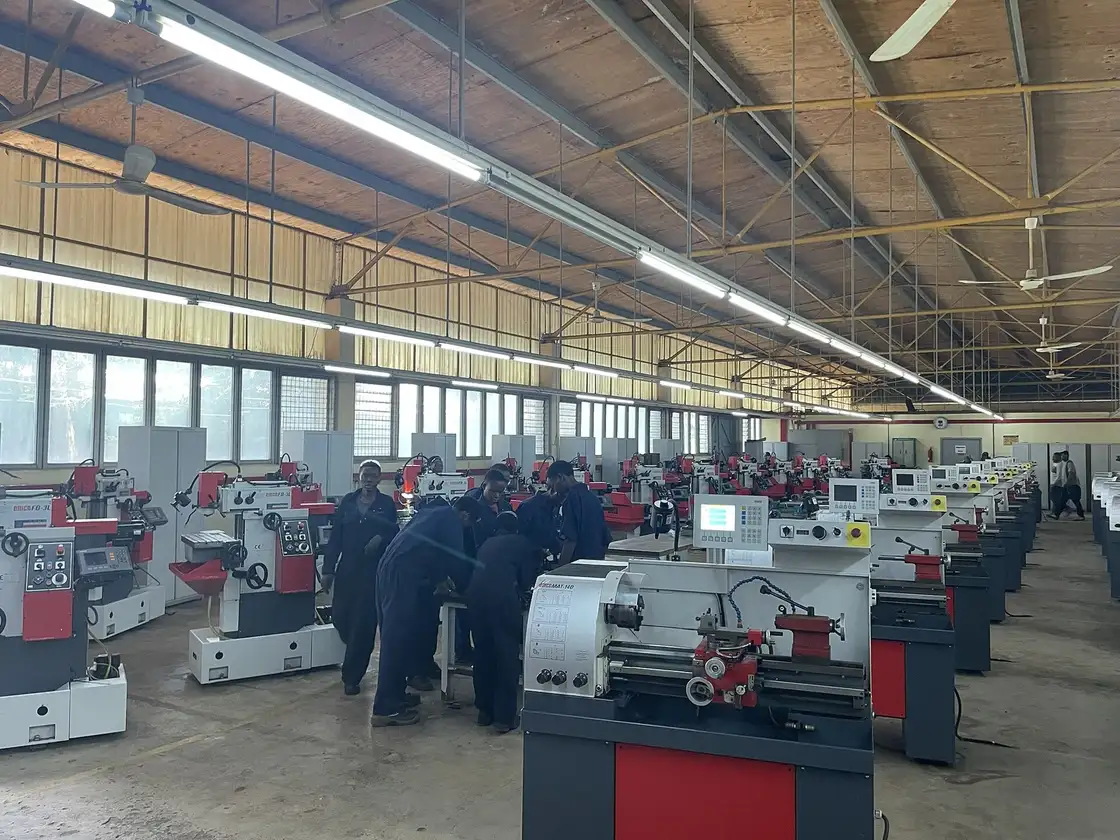
From 1 January 2027, the state will reimburse companies for 50% of the wages they pay to dual-education students in engineering, manufacturing, construction and agriculture. Employers who take part in training will also get preferences in public procurement.
This is provided for by Presidential Decree No. UP-209 of 29 September 2026 “On measures to improve the system of training personnel through dual education in higher education”. The decree entered into force on 2 October 2026.
How dual education works
- At least 30% of the course is theory at university; the rest is practical training at the company
- From the 2027/2028 academic year, admission to dual programmes will be based on orders from companies and organisations. Orders are submitted by 1 August each year
- The university, the company and the student sign a tripartite agreement
- One mentor may supervise no more than 15 students
Employer obligations
- Pay the student a monthly wage of at least one minimum wage (currently 1,360,000 soums) from its own funds
- Provide the graduate with a job: they must work at the company for at least two years
From 1 January 2027, the state will reimburse 50% of wage costs for students in Engineering, Manufacturing and Processing, Architecture and Construction, and Agriculture.
Incentives and preferences
Preferences when bids are evaluated in public procurement:
- 5% for up to 25 students
- 10% for 25 to 50
- 15% for 50 or more
On the Sustainability Rating platform, the company will receive 5, 8 or 10 points, also depending on the number of students. In addition:
- A 1% customs duty on equipment for practical training bases until 1 January 2030
- Accelerated depreciation of training equipment and tools over 3 years
- Annual awards from the budget for the three best companies and universities: 1, 2 and 3 billion soums depending on their place in the ranking
What this means in practice. For manufacturing, construction and agricultural companies, dual education becomes a way to train staff with half of their wages reimbursed and to gain an edge in public procurement. But the commitments are long-term: an agreement for the whole period of study, wages of at least the minimum wage and two years of work by the graduate.
Before submitting an order, it is worth costing mentors and the practical training base. The tripartite agreement should clearly set out the work commitment and what happens if a graduate leaves early. Advice from an employment lawyer can help here.
Photo: Hilda Raphael, Wikimedia Commons (CC0)